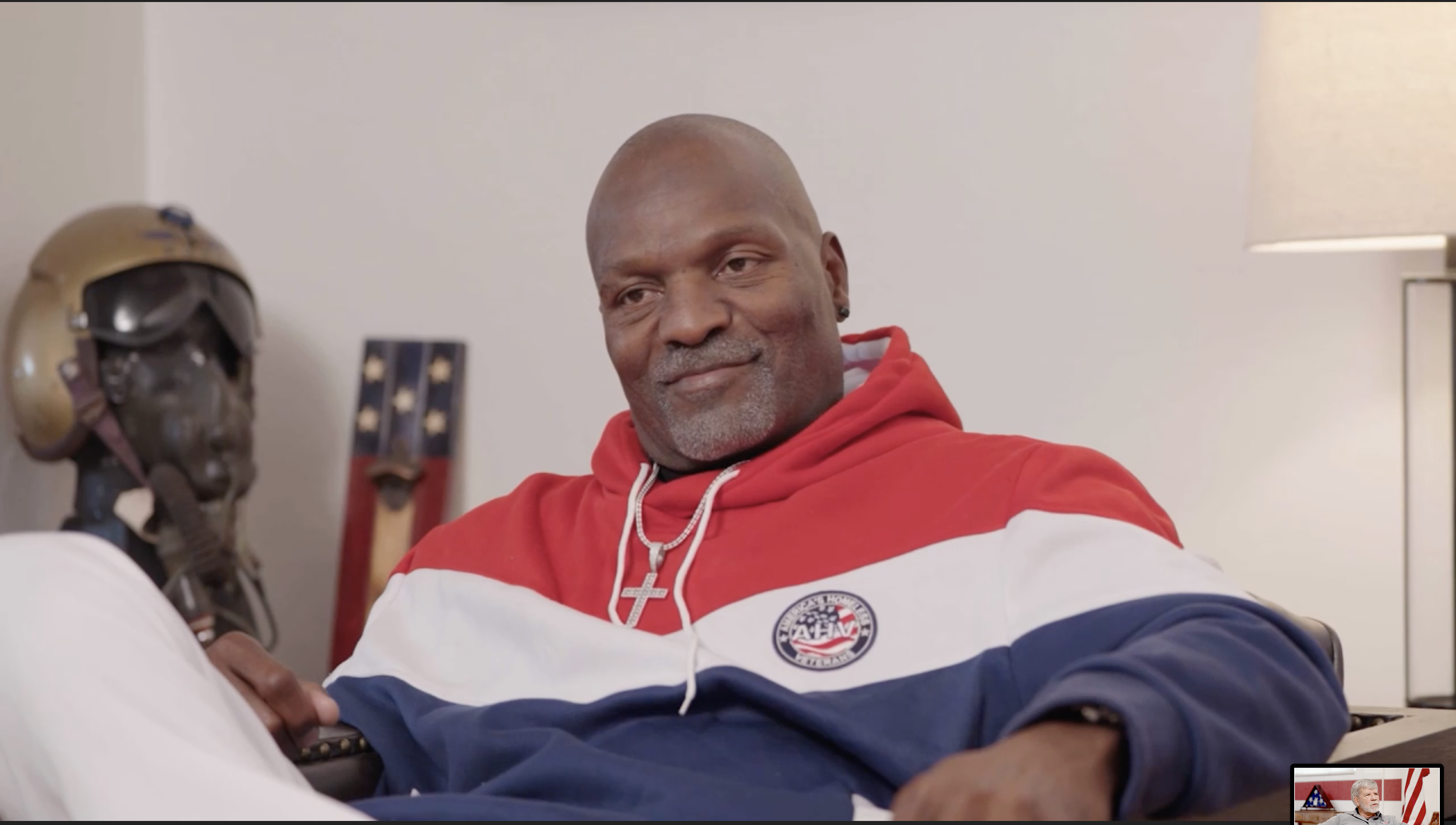
Ralpheal had reached a breaking point. The familiar cycle — detox, withdrawal, relapse — had come around again. He was back at the detox center. But this time, something had shifted. Something inside him was different.
He began to ask himself a question he had never fully faced before: what happens after I get clean? He had done the detox before. He knew how to survive withdrawal. What he didn't have — what he had never truly had — was a plan for what came next. He needed treatment. But more than that, he needed stability.
He Had Served His Country
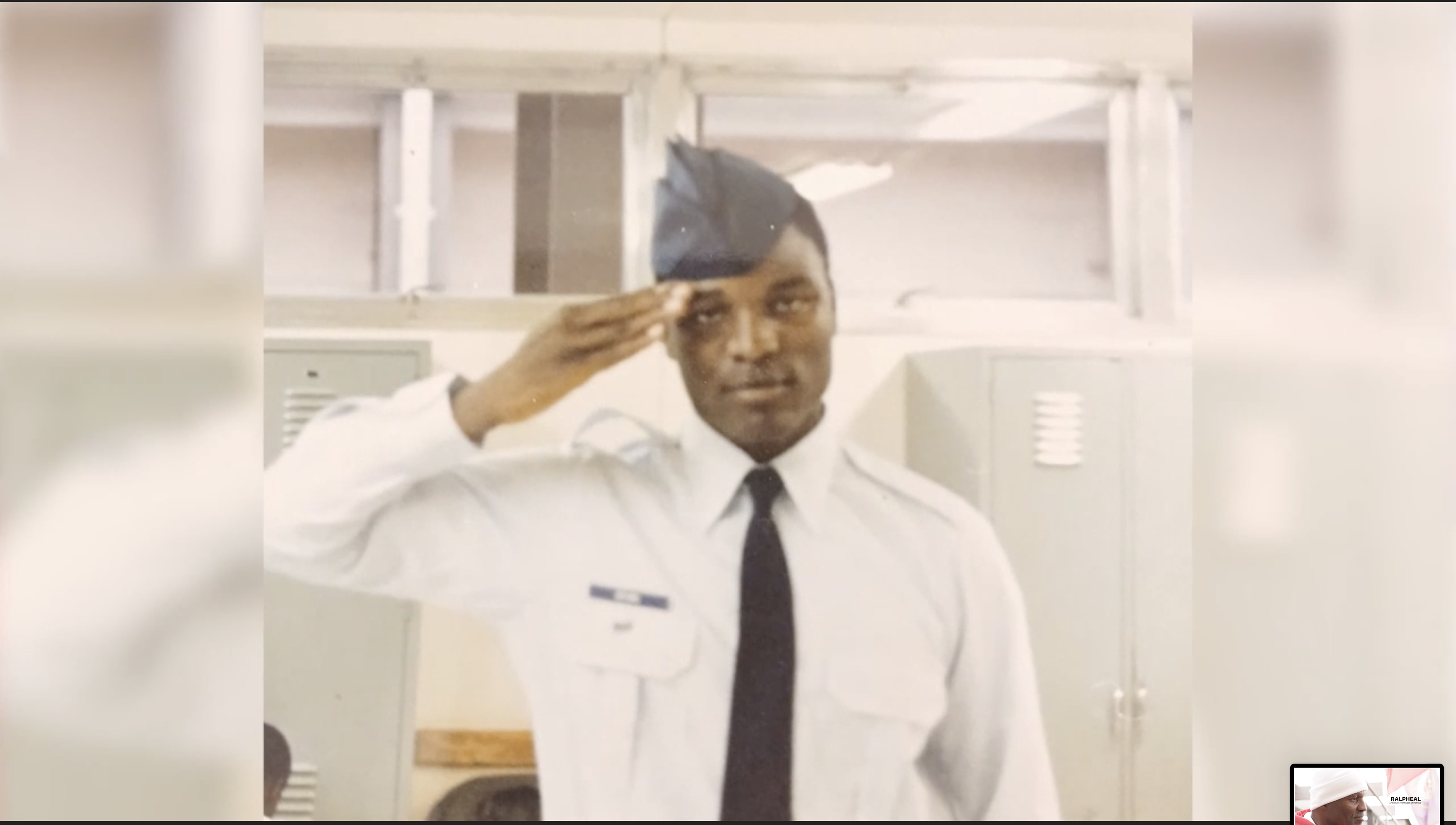
Before the streets, before the addiction, there was a young man in uniform — proud, disciplined, committed. Ralpheal served in the United States Air Force. He answered the call. He showed up.
But the transition out of military life is harder than most people realize. The structure disappears. The mission disappears. For many veterans, the silence that fills its place becomes unbearable. Ralpheal found substances to fill that void — and slowly, everything else slipped away.
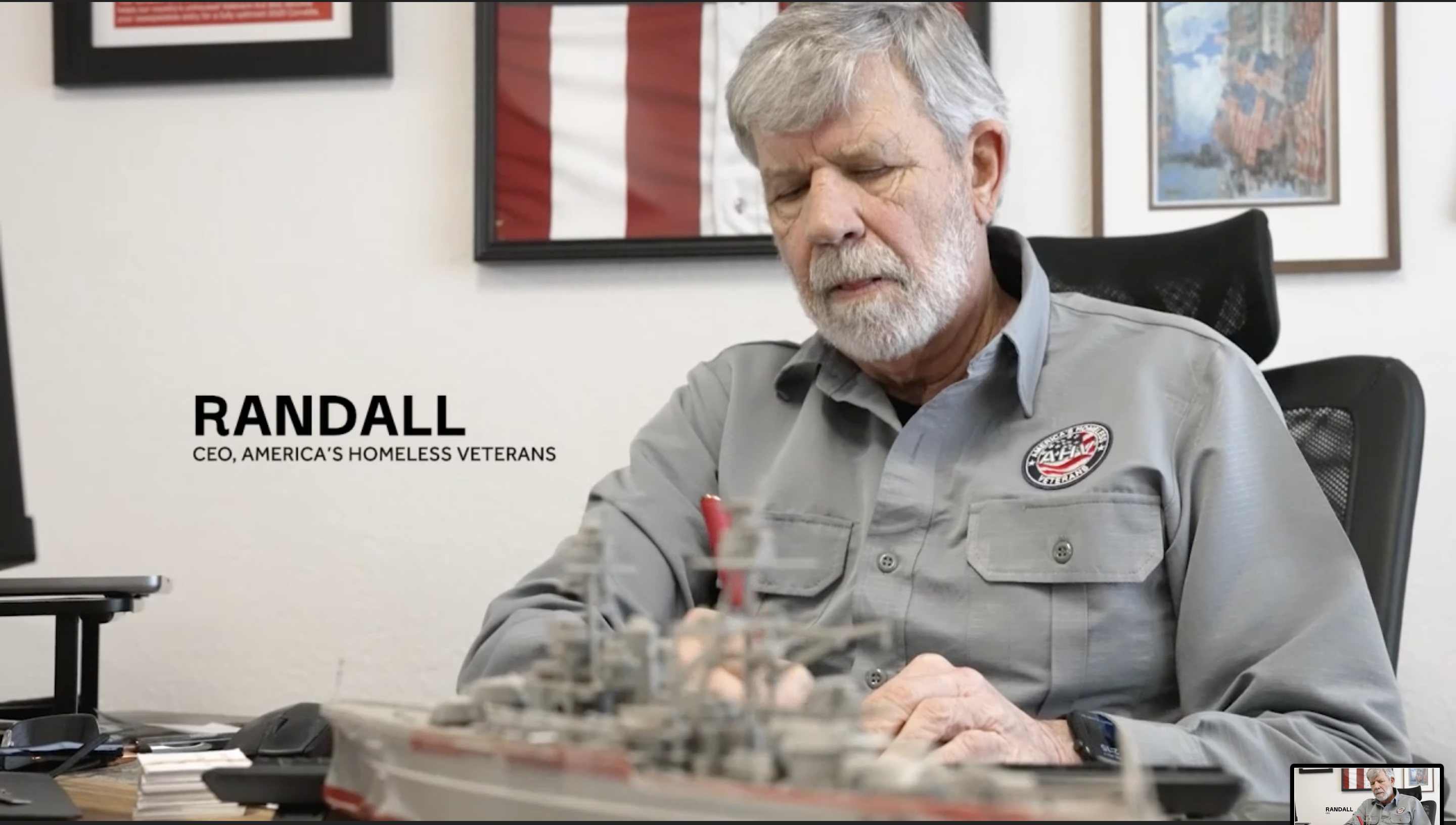
“Having a key and a hanger could make all the difference this time.”
— Ralpheal, U.S. Air Force Veteran
A Key and a Hanger
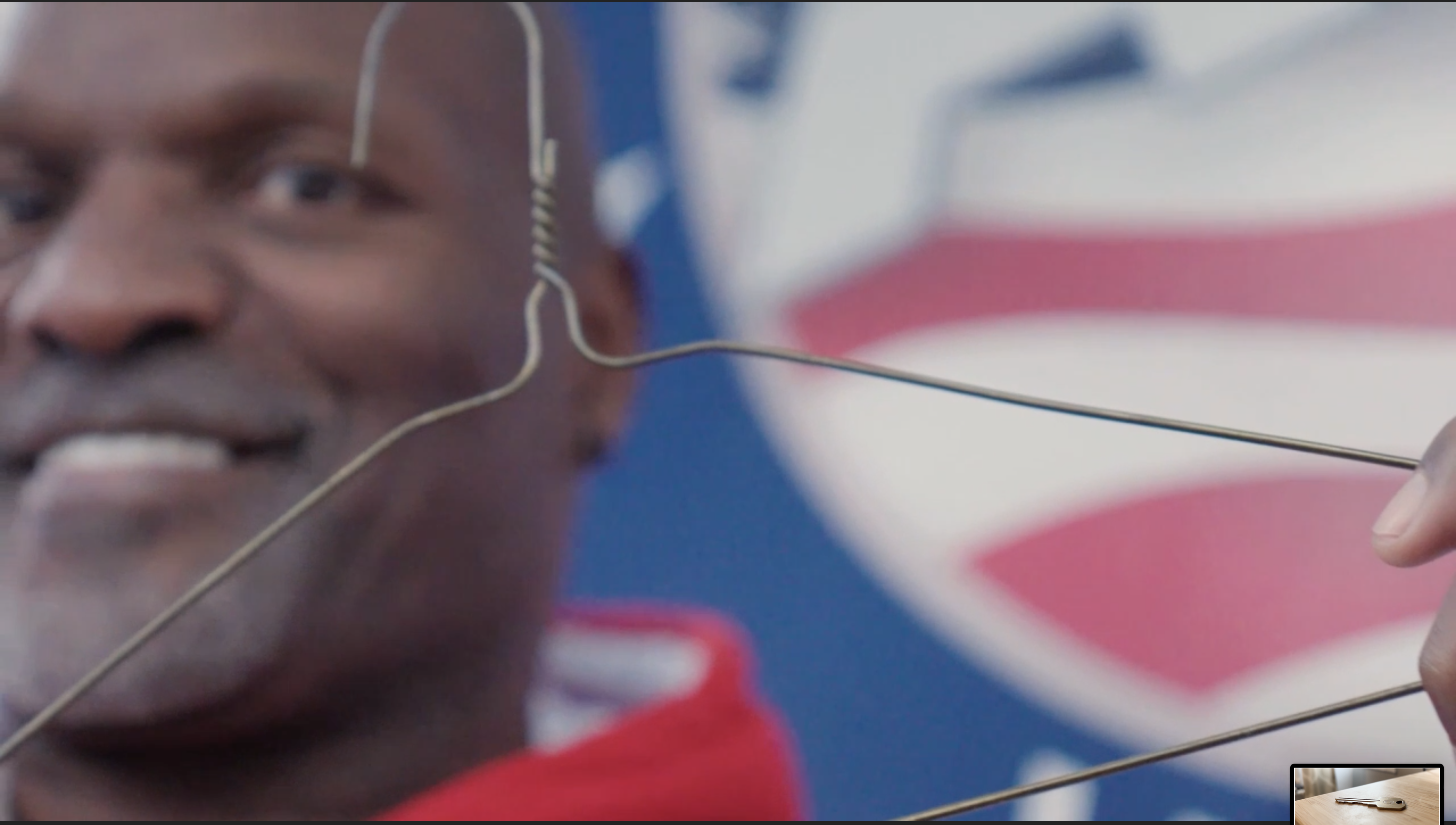
During one of our conversations, Ralpheal told me something I will never forget. He said that having a key and a hanger — a room of his own with a closet — could make all the difference this time.
He wasn't talking about luxury. He was talking about dignity. About having something to come back to. Something that was his. Every time he'd tried to get clean before, he'd walked out with nowhere to go. And the streets always found a way to pull him back.
AHVets: A Place to Land
That conversation stayed with me. The next morning, I made a decision. I purchased a home — a real place where veterans who completed treatment would have somewhere to land. Not a shelter bed. Not a couch. A room with a door. A closet. A key.
Ralpheal became one of the first to hold that key. And the moment it was in his hands, everything began to change.
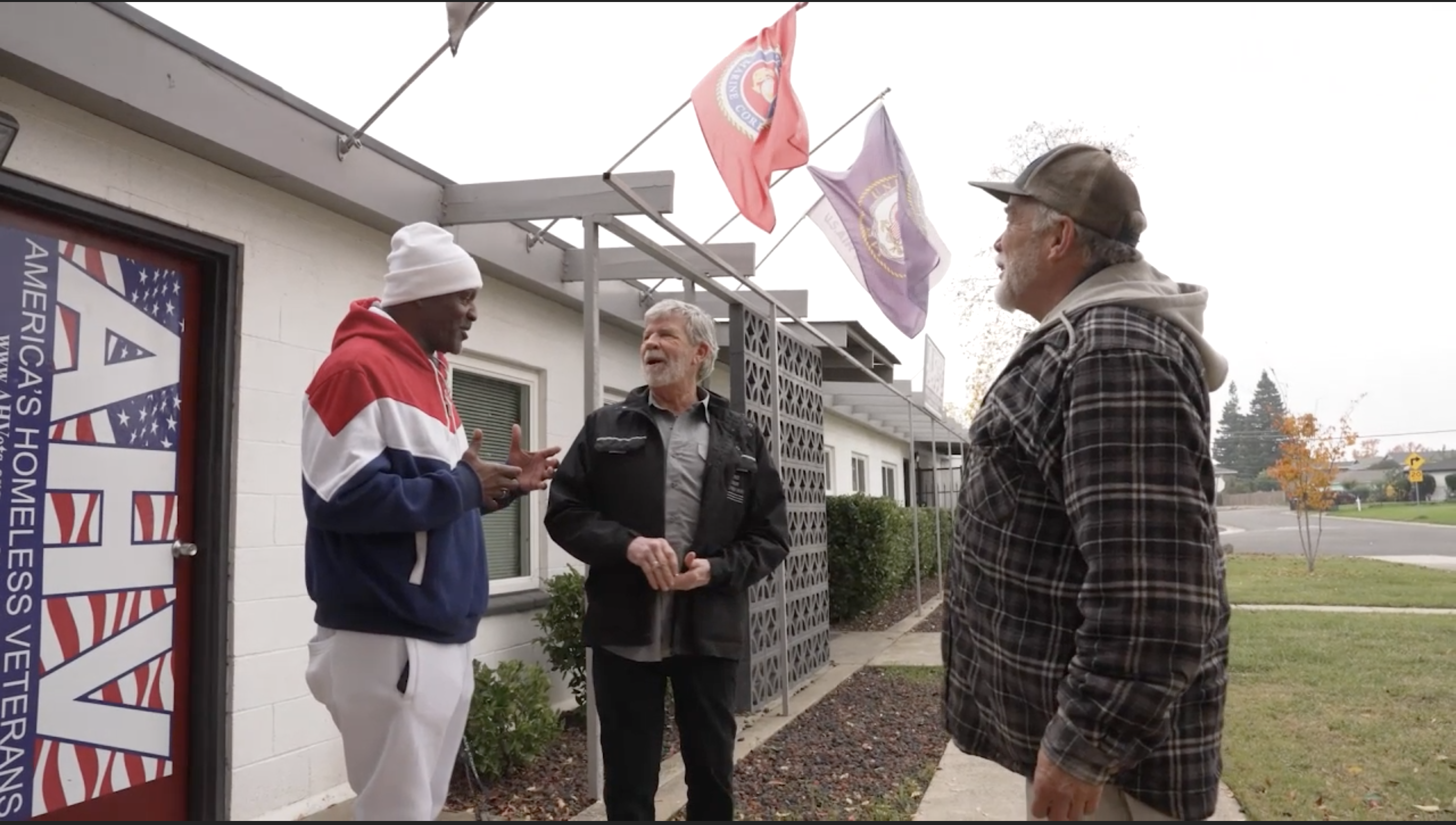
“The jingling of keys became a symphony of trust and empowerment for Ralpheal.”
— Randall Britt, CEO & Founder
Every Key, a New Trust
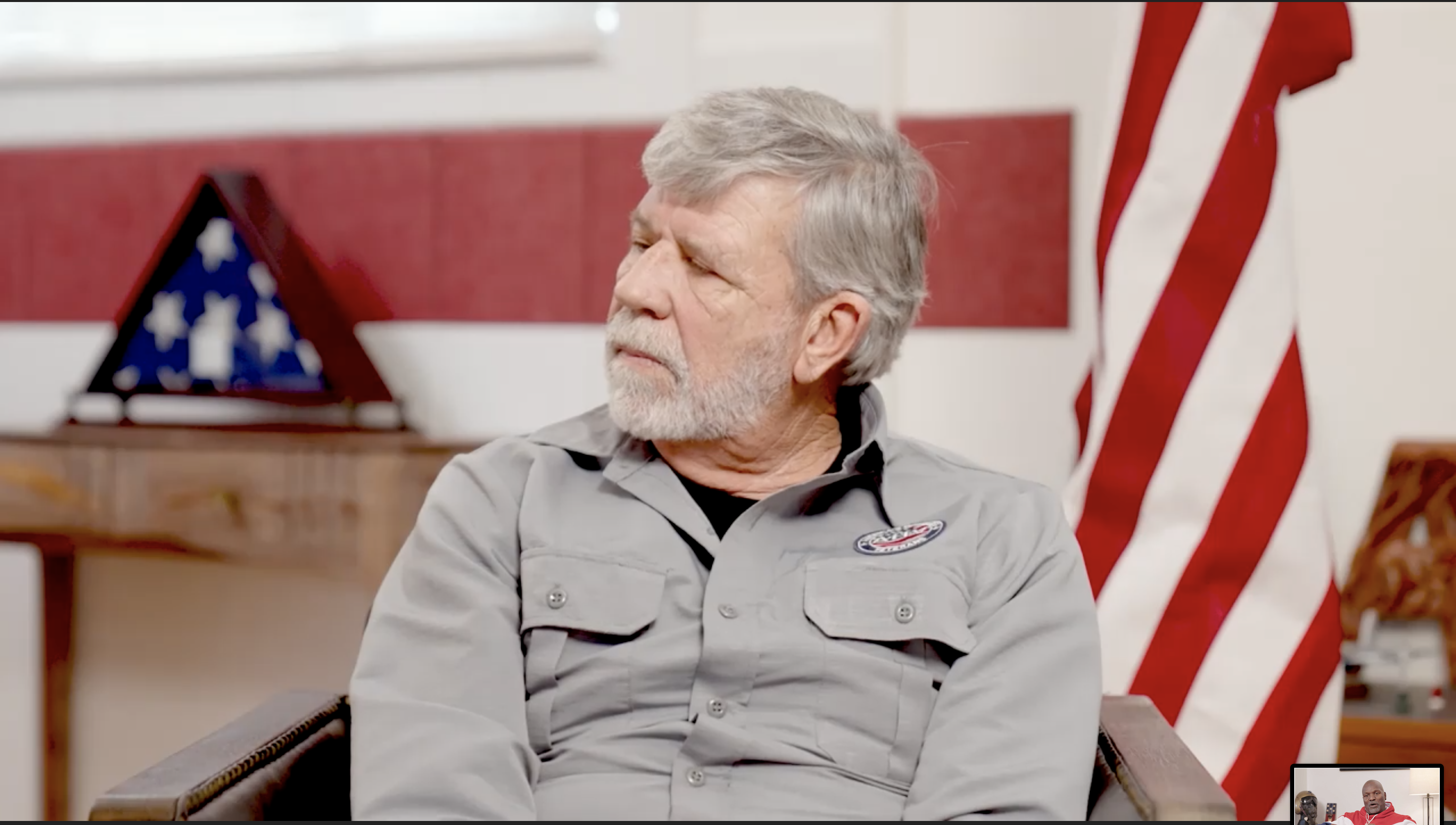
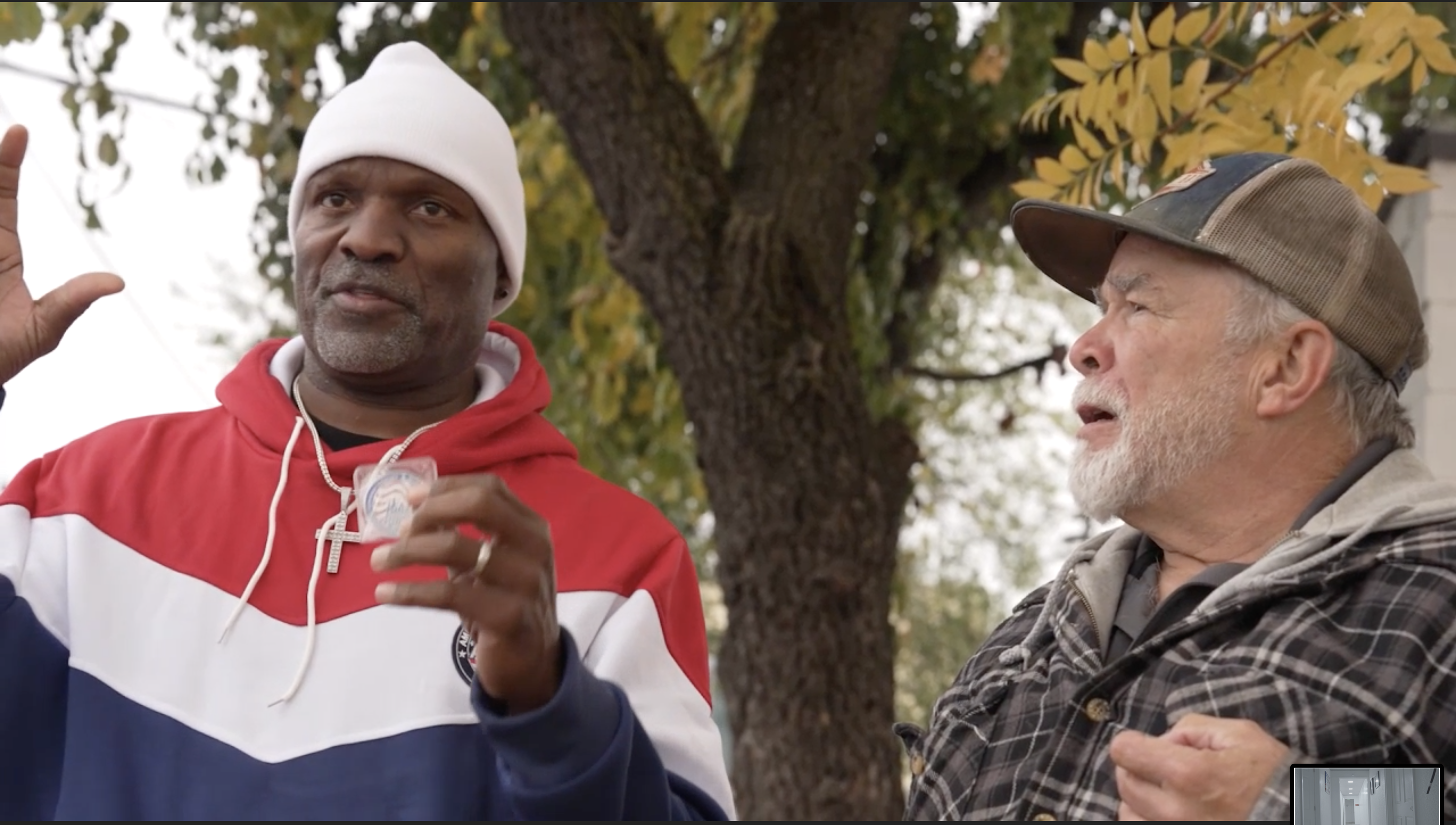
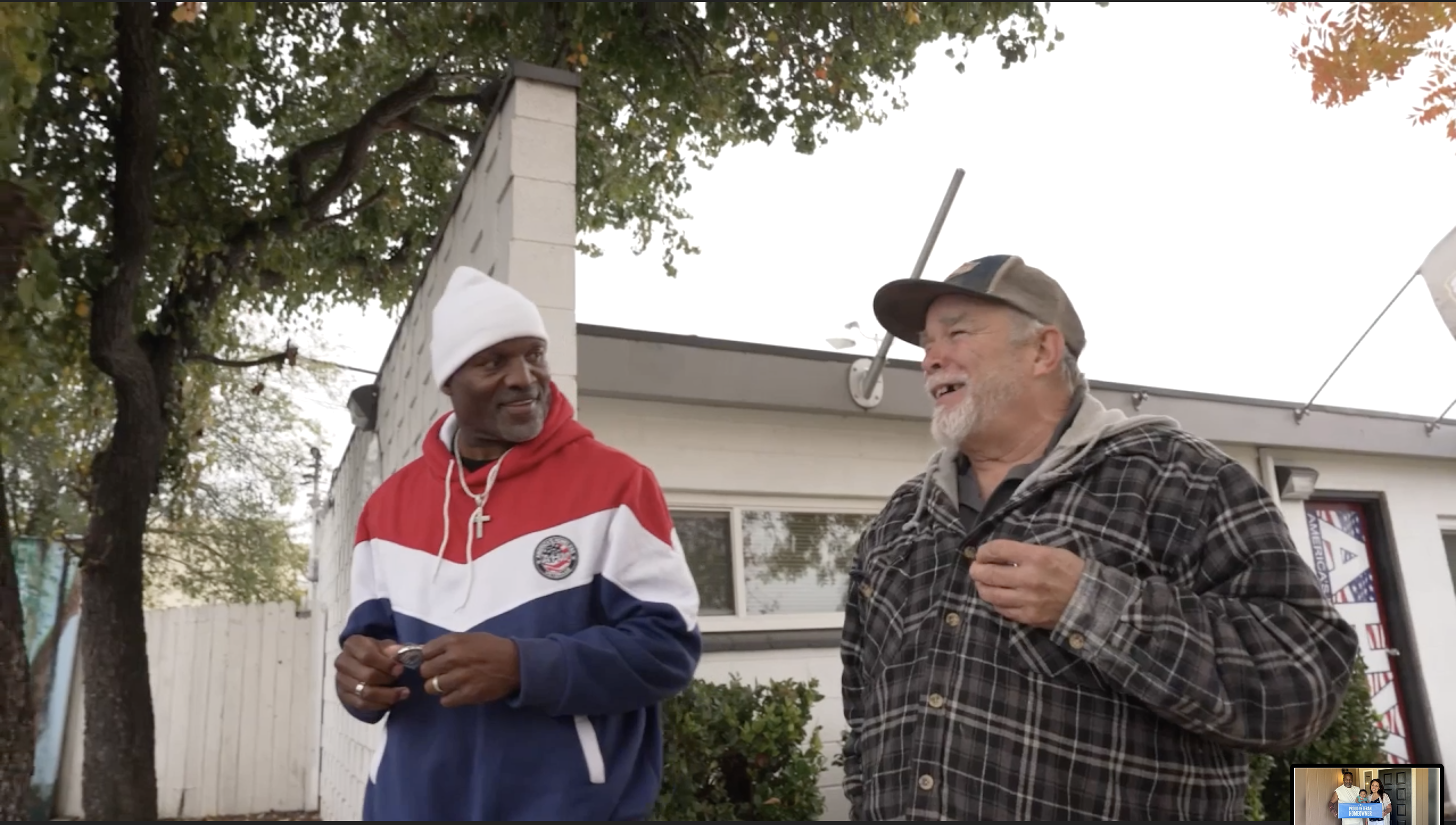
Motivated by his stability, Ralpheal started attending AA meetings — becoming a regular, a familiar face. Eventually, he was asked to take on a role: he became the coffee guy. Making sure coffee was ready at every meeting.
That role came with another key. The key to the cabinet where supplies were stored. And when he earned the group's trust, he was elected to chair a meeting — at the front of the room, holding space for people fighting the same battle he once fought alone. Another key. The key to the meeting hall itself.
Every day, he came to my office to check in — to reaffirm his commitment. He called it paying the rent. Success is not handed to you. It is something you show up for, every single day.
The Life He Built
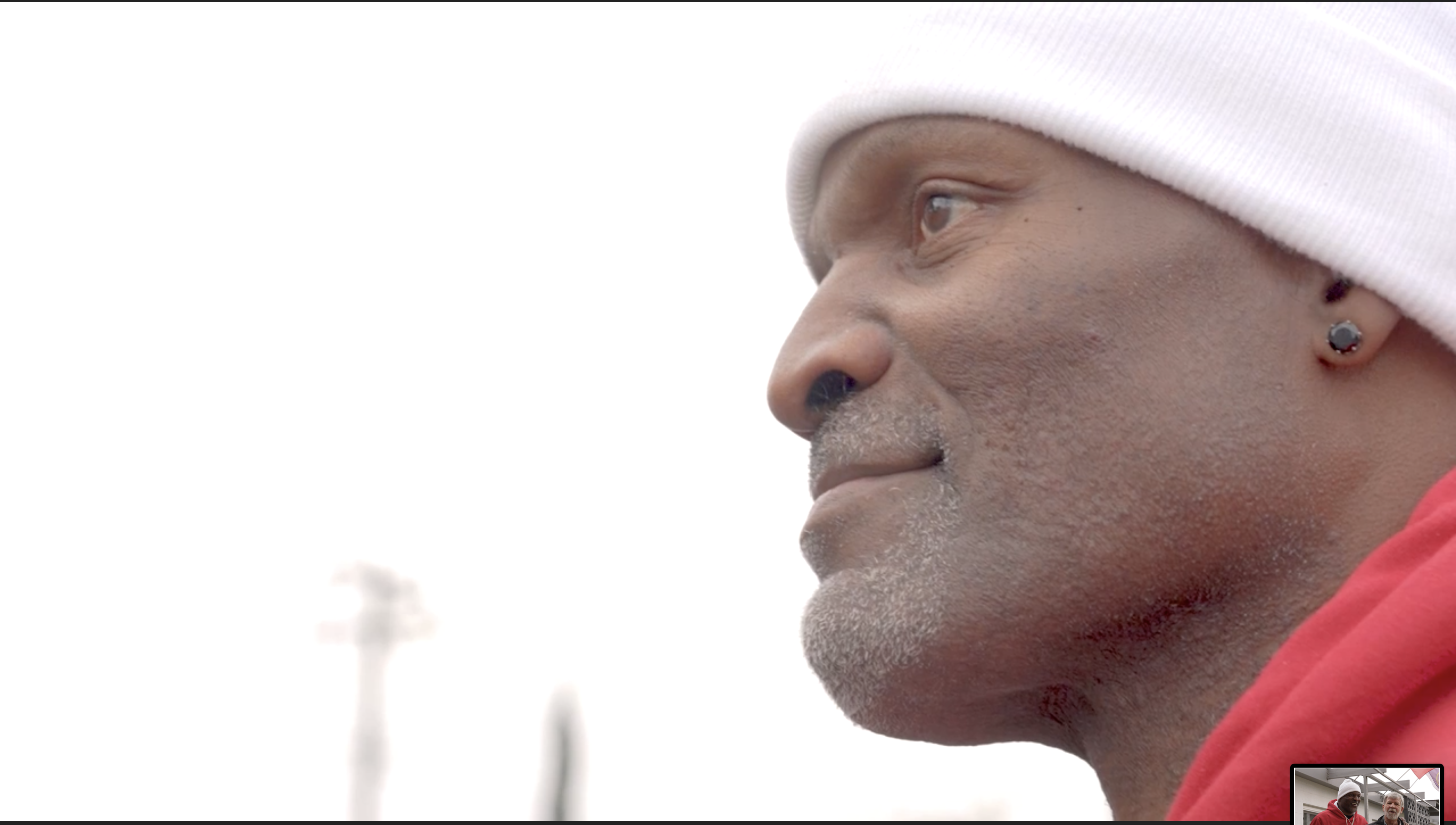
Sobriety opened doors that addiction had slammed shut. Not just the doors to AA meeting halls or AHVets offices — the door to a real life. A life he had nearly given up on entirely.
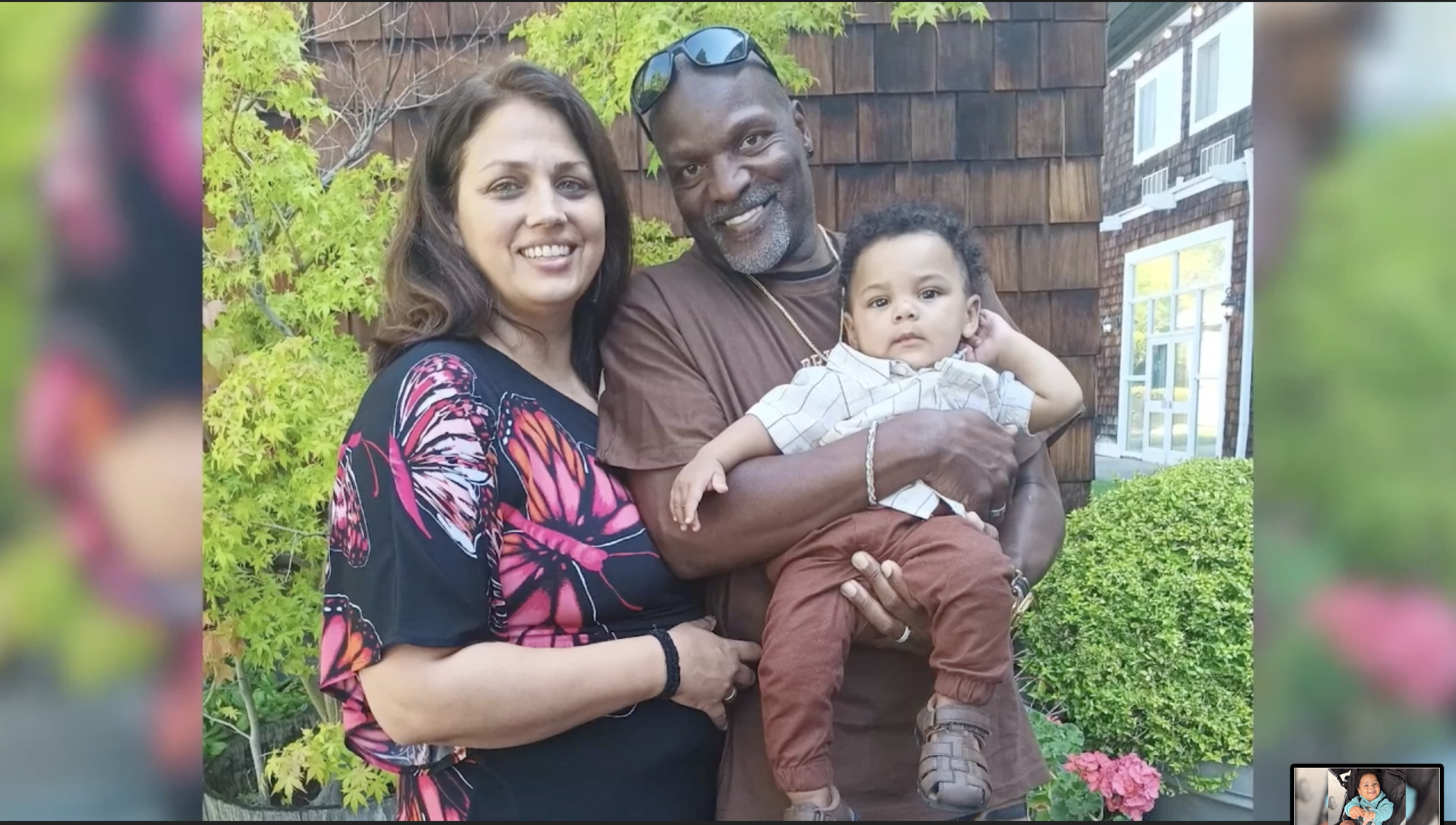
Ralpheal found love. He built a family. He became a husband and a father. Every step of that new life was built on the foundation of one simple thing: showing up, sober, every day.
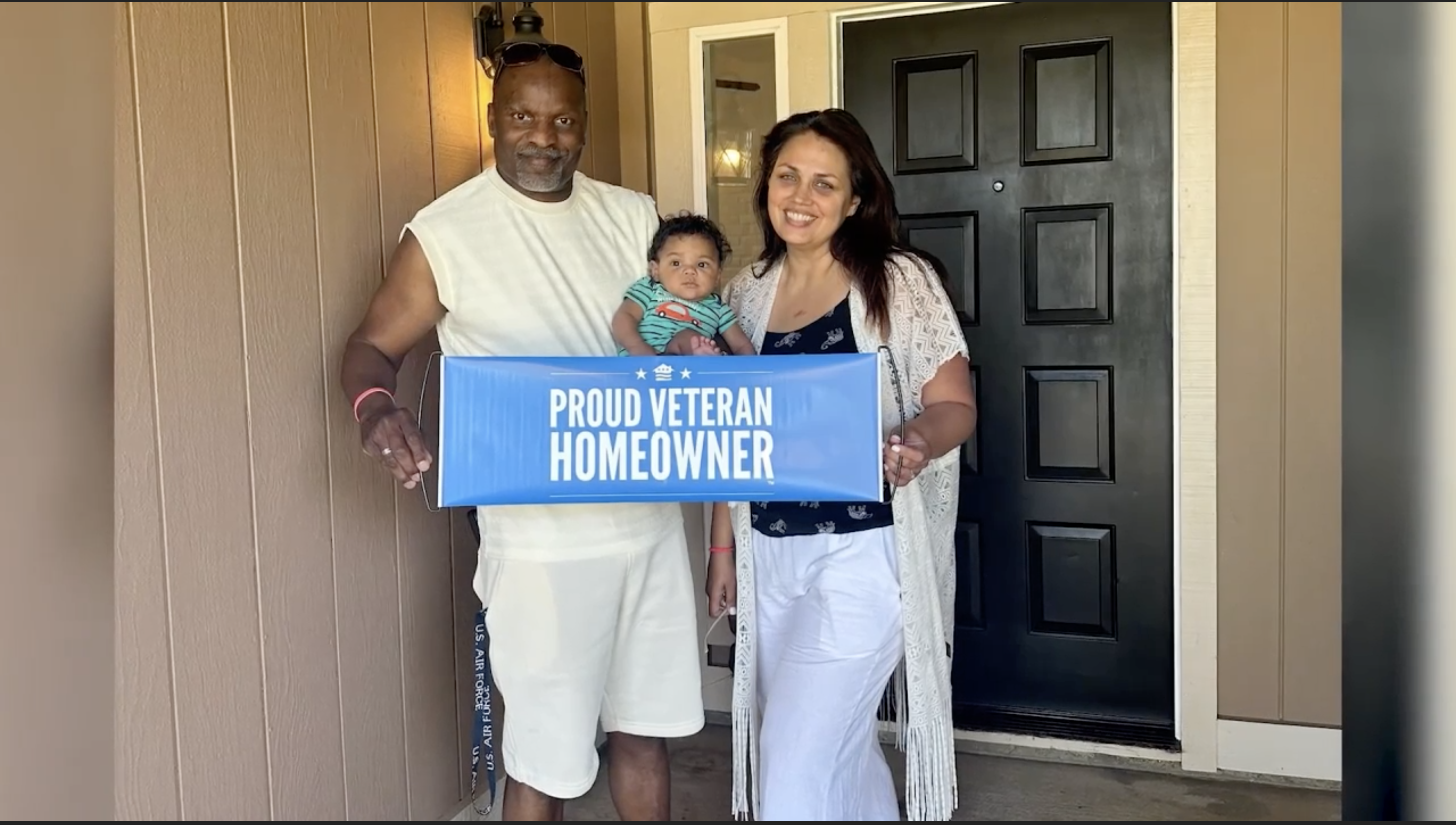
He Owns His Own Home
He started his journey at AHVets with nothing but the clothes on his back and a belief that a key and a hanger could change everything. He was right.
Ralpheal didn't just get sober. He didn't just find a room. He bought his own home — standing on his front doorstep, his wife beside him, his son in their arms, holding a sign that says what so many people thought he would never be: a Proud Veteran Homeowner.
That key he talked about — the one he said could make all the difference — it wasn't just a key to a room. It was the first key in a chain that led all the way to his own front door.
“It was the keys — symbols of trust, stability, and progress — that unlocked Ralpheal's potential, opening doors he never thought possible.”
— Randall Britt, CEO & Founder of AHVets